
~ Choosing the right sober living program after rehab can shape the next chapter of recovery. Here's what families and prospective residents should consider — and how Peace and Purpose approaches the journey. ~
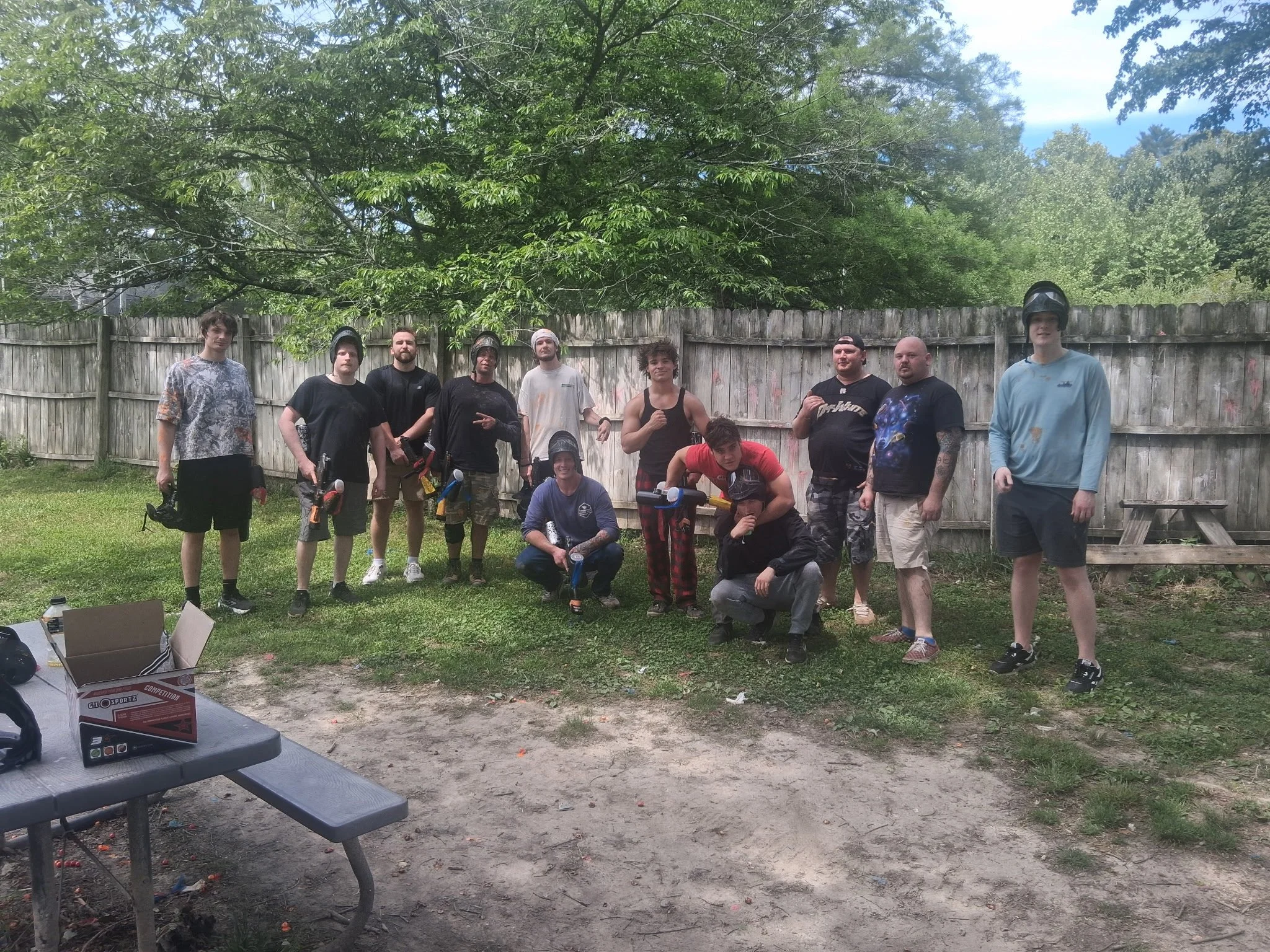
The gang gathers for a group photo after a fun round of paintball!
Completing addiction treatment is a significant milestone. But for many men, the real work of recovery is just beginning.
After weeks or months in a structured treatment environment, returning to everyday life can bring uncertainty. Old habits, strained relationships, financial responsibilities and the pressures of independence don't disappear simply because treatment has ended.
That's why choosing the right sober living program matters.
Not all sober living homes offer the same level of structure, guidance or opportunities for personal growth. Some primarily provide a substance-free living environment, while others incorporate recovery programming, mentorship and activities designed to help residents rebuild their lives.
At Peace and Purpose, a men's sober living program in the Asheville, North Carolina, area, the philosophy is straightforward: Recovery should be about more than avoiding alcohol or drugs. It should be about building a life worth staying sober for.
Recovery Requires More Than a Roof Over Your Head
A safe, substance-free environment is an important part of early recovery. But housing alone doesn't necessarily prepare someone for the challenges of independent living.
Men leaving treatment often need help establishing routines, developing accountability, reconnecting with their communities and discovering healthier ways to spend their time.
Peace and Purpose addresses these challenges through a structured, three-phase program rooted in the 12 steps.
During the first phase, residents focus on establishing a recovery foundation through meetings, sponsorship, step work, volunteer service and daily house activities.
As they progress, they gradually take on additional responsibilities, including employment, education and greater independence.
By the third phase, residents are encouraged to share their experience and support others who are earlier in recovery.
The objective isn't simply to maintain sobriety while living in a supervised environment. It's to develop the habits, relationships and sense of responsibility necessary to sustain recovery beyond it.
A Fresh Start for Men From Across the Country
For some men, the next step in recovery means more than moving into a sober living home. It means moving away from familiar surroundings and beginning a new chapter somewhere different.
Peace and Purpose welcomes men from across the United States, not just Asheville or Western North Carolina.
For those transitioning out of addiction treatment, relocating can offer an opportunity to establish healthier routines, develop new relationships and create some distance from environments or influences associated with past substance use.
Asheville's setting in the Blue Ridge Mountains provides a distinctive backdrop for that transition. With access to outdoor recreation, a recovery community and opportunities for personal growth, the area offers residents ways to explore new interests and build meaningful connections.
Of course, relocating isn't necessary or appropriate for everyone. Maintaining connections with family, existing support systems and recovery resources can be equally important.
What matters most is finding an environment that supports each person's individual recovery goals.
At Peace and Purpose, men arriving from different states and backgrounds share a common objective: building a healthier, more fulfilling life in recovery.
And while their journeys may begin in different places, they have an opportunity to move forward together.
A Holistic Approach to Building a Healthier Life
Recovery affects nearly every aspect of a person's life.
Physical health, emotional well-being, relationships and personal interests can all require attention after years of substance use.
That's why Peace and Purpose incorporates activities beyond traditional 12-step meetings.
Residents have opportunities to participate in yoga, meditation, physical fitness and life skills workshops. The program also offers access to a woodworking shop, where men can explore creativity, develop practical skills and experience the satisfaction of completing something tangible.
These activities aren't intended to replace professional addiction treatment or therapy. Instead, they complement recovery by helping residents discover healthier routines, interests and ways to manage everyday challenges.
For someone who has spent years organizing life around alcohol or drugs, rediscovering an interest in exercise, creativity or simply spending time with others can represent meaningful progress.
Learning That Sobriety Can Be Enjoyable
One of the misconceptions surrounding recovery is that sobriety means giving up the activities and experiences that make life enjoyable.
At Peace and Purpose, having fun is part of the philosophy.
The program organizes regular outings that can include hiking, kayaking, whitewater rafting, go-karting and other outdoor adventures.
Living near Asheville and the Blue Ridge Mountains provides opportunities to explore the outdoors while building friendships with other men in recovery.
These experiences serve a purpose beyond recreation.
They help residents discover new interests, build confidence and develop connections that don't revolve around substance use.
Perhaps most importantly, they demonstrate something that can be difficult to believe in early recovery: A sober life can be exciting, rewarding and fulfilling.
Experienced Mentorship and Support for Families
The people guiding a sober living program can be just as important as its structure.
Peace and Purpose emphasizes leadership from individuals with lived recovery experience. Its staff members understand many of the challenges residents face because they have navigated recovery themselves.
That experience can help create an environment where accountability is balanced with understanding.
The program also recognizes that addiction doesn't affect individuals in isolation.
Families often enter the recovery process carrying their own uncertainty, frustration and damaged trust.
Through its family recovery support services, Peace and Purpose helps loved ones better understand recovery, establish healthy boundaries, improve communication and begin rebuilding relationships.
Supporting the family alongside the individual recognizes an important reality: Lasting change often requires growth on both sides.
Giving Back and Finding a Sense of Purpose
Recovery can become isolating when the focus remains entirely on avoiding relapse.
Finding opportunities to contribute to something larger than oneself can help change that perspective.
Community service has long been central to the Peace and Purpose philosophy.
Through volunteer opportunities and relationships with organizations throughout the Asheville area, residents can contribute their time, develop new skills and become involved in their communities.
Whether helping with local nonprofit projects, working outdoors or supporting others in recovery, these experiences reinforce the importance of responsibility and connection.
They also encourage residents to begin asking a different question.
Instead of focusing exclusively on what they've lost through addiction, they can begin considering what they have to offer.
Preparing for Independence, Not Just Graduation
One of the most important questions families should ask when evaluating a sober living program is what happens when a resident is ready to leave.
Recovery doesn't end when someone completes a program or moves into his own apartment.
Peace and Purpose's phased approach is designed to help residents gradually assume greater responsibility rather than move abruptly from a highly structured environment into complete independence.
For men who have progressed through their recovery work, Freedom House offers a step-down living option that provides additional independence while maintaining a connection to a sober community.
Residents can continue developing their careers, education, relationships and everyday responsibilities while benefiting from ongoing structure and support.
The goal is to make independent living a natural progression rather than an overwhelming transition.
Finding the Right Sober Living Program, Wherever You're From
No single sober living program is the right fit for everyone.
Whether someone lives in Asheville, elsewhere in North Carolina or across the country, choosing a sober living program requires careful consideration.
Families and prospective residents should ask about house rules, staff experience, recovery programming, accountability, community involvement and the support available as residents move toward independence.
They should also consider whether the program's philosophy aligns with the individual's needs and goals.
For men seeking a structured, 12-step sober living program in North Carolina, Peace and Purpose offers an approach that combines recovery fundamentals with holistic activities, mentorship, community service and a gradual path toward independent living.
Its location in the Blue Ridge Mountains offers an additional opportunity for men who believe a change of environment could support their recovery.
But what distinguishes Peace and Purpose isn't simply its location, activities or housing arrangements.
It's how those elements work together to help men from across the country develop healthier habits, build meaningful relationships and rediscover a sense of direction.
Because the ultimate goal of sober living isn't simply to stay sober while living in a house. It's to build a life that makes continued recovery meaningful.
Find Your Purpose at Peace and Purpose
If you or someone you love is preparing to leave addiction treatment and exploring sober living in Asheville, NC, Peace and Purpose can help you learn what the next stage of recovery might look like — whether you're coming from across town or across the country.
Visit 12stephalfwayhouse.com or call 828-467-3336 to learn more about the program, its approach and available housing options.